

Search

Key: test item, instrument name, total nonvolatile migration, gravimeter, moisture permeameter
ASTM F1249 Explained: Water Vapor Transmission Rate (WVTR) Testing Standard
Release time:
2026-06-01
ASTM F1249 Explained: Water Vapor Transmission Rate (WVTR) Testing Standard
1. What is ASTM F1249?
ASTM F1249 is a standard test method used to determine the Water Vapor Transmission Rate (WVTR) of flexible barrier materials using an infrared detection sensor.
It is widely used in industries such as:
- Pharmaceutical packaging
- Food packaging
- Flexible plastic films
- High barrier materials
- Battery separator materials
2. What is Water Vapor Transmission Rate (WVTR)?
WVTR refers to the amount of water vapor that passes through a material over a specific area within a given time period.
It is usually expressed as:
- g/m²·day
A lower WVTR value means better moisture barrier performance.
3. Test Principle of ASTM F1249
The ASTM F1249 method is based on infrared detection technology.
Working principle:
- One side of the test specimen is exposed to a humid environment
- The other side is purged with dry carrier gas
- Water vapor permeates through the material
- An infrared sensor detects the moisture concentration in the carrier gas
- The system calculates WVTR based on steady-state transmission
4. Applications of WVTR Testing
WVTR testing is critical for evaluating packaging performance in:
Pharmaceutical industry
- Ensures drug stability and shelf life
- Prevents moisture-sensitive degradation
Food packaging
- Extends product freshness
- Prevents spoilage and texture changes
Electronic and battery materials
- Protects moisture-sensitive components
- Improves long-term stability
5. ASTM F1249 vs Other Methods
Method | Principle | Accuracy | Application |
|---|---|---|---|
| ASTM F1249 | Infrared detection | High | Plastic films, packaging |
| Cup Method | Gravimetric | Medium | Basic materials |
| Electrolytic Method | Sensor-based | High | High barrier films |
6. Factors Affecting Test Results
- Temperature control stability
- Humidity conditions
- Sample preparation quality
- Seal integrity in test cell
- Instrument calibration
7. Why WVTR Results May Differ Between Labs?
Different laboratories may obtain different results due to:
- Different test conditions
- Different instruments
- Sample pretreatment differences
- Environmental variations
Standardization is critical for reliable comparison.
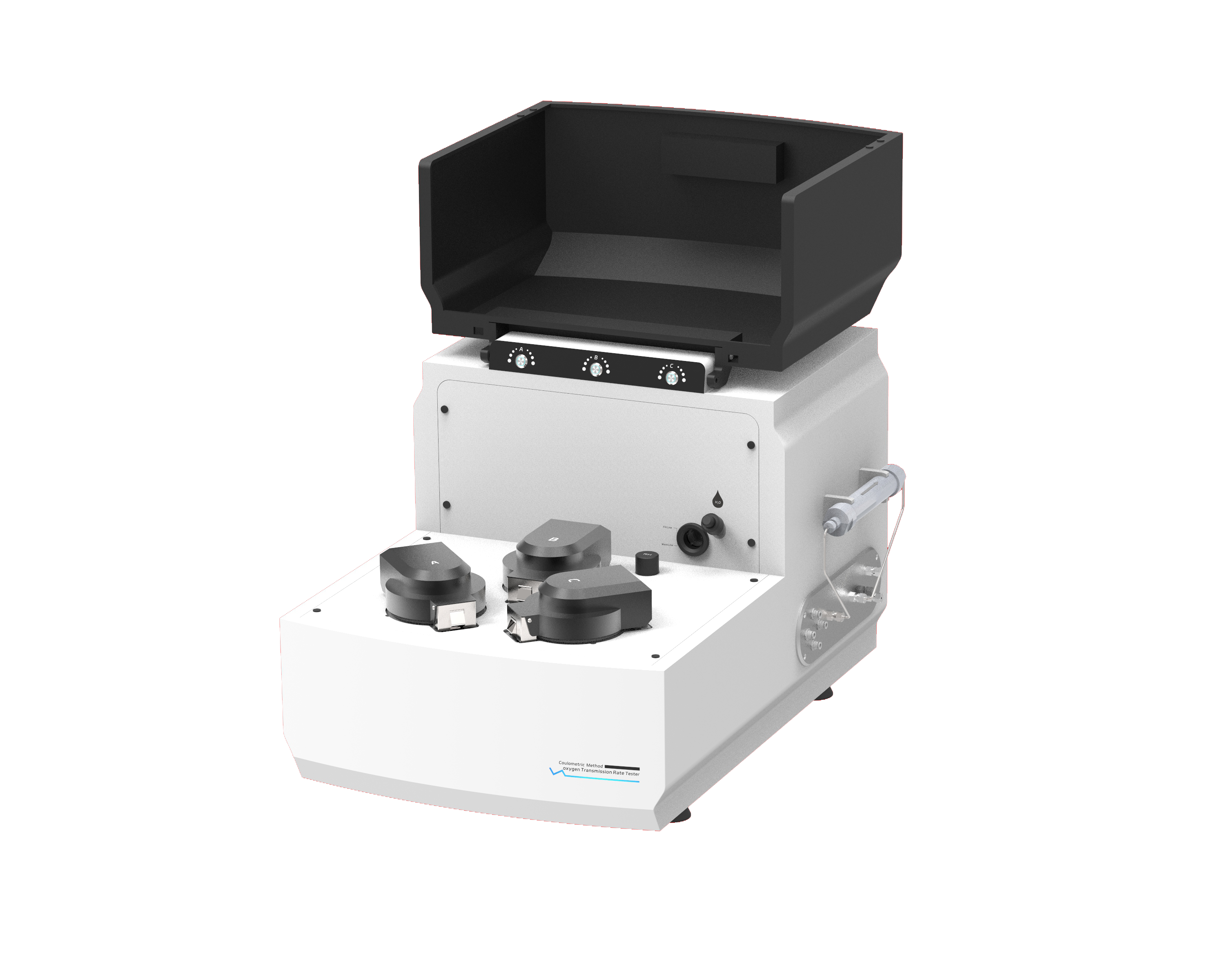
8. LabStone WVTR Testing Solutions
LabStone provides WVTR testing instruments based on advanced measurement technology, designed for:
- High accuracy
- Stable repeatability
- Compliance with international standards
Our instruments support ASTM F1249 and ISO 15106 testing methods.
9. Conclusion
ASTM F1249 is one of the most important standards for measuring water vapor barrier performance.
Understanding WVTR helps manufacturers improve packaging design, ensure product stability, and meet regulatory requirements.

Related News

Contact Us
Guangzhou Labstone Technology Co., Ltd
Add: Rm601, bldg A1, No. 2-6, Jinbao Rd, Baiyunhu Subdist., Baiyun District, Guangzhou,510430, Guangdong Province, P.R.China
Switchboard:+86(20)86406230 Technical:+86(20)86406337
WhatsApp & Wechat:+86-13825027743
Email:market@labstone.cn
Leave a Message to us
fOLLOW